
South Korea’s robust semiconductor industry has long been a beacon for global investors. However, the recent noise surrounding Samsung’s labor disputes may be obscuring a more insidious economic reality: a structural inflation trap driven by “QE-lite” liquidity injections.
1. The Alarm Bells: 1,500 KRW and 4.17% Yields
The speed of the Won’s collapse is breathtaking. Since May 6, the USD/KRW has surged from 1,450 to a psychological barrier of 1,500 in just ten days. This is not just a “weak currency” story; it is a vote of no confidence in the domestic purchasing power. Simultaneously, the 10-year KTB yield has spiked to 4.17%, up from the 3.5% range in March. This aggressive sell-off in bonds reflects a market that no longer believes inflation is “under control.”
2. The Local Context: The “QE-lite” Fueling the Fire
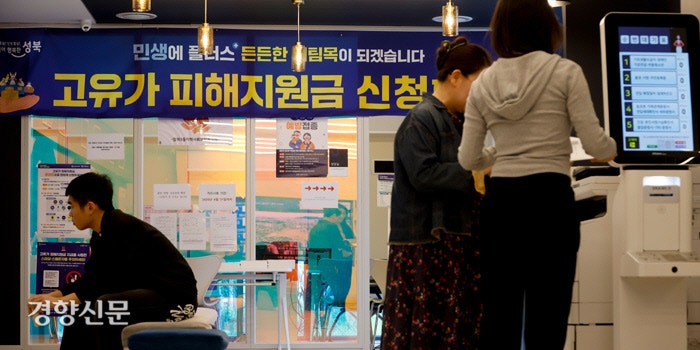
“Starting at 9 AM on the 18th, the second round of high oil price support funds will be distributed to 70% of the population. According to the Ministry of the Interior and Safety on the 17th, approximately 36 million people are eligible for this second payment. The eligibility was determined based on health insurance premium levels.”
Despite these warning signs, the “cash-handout” policies (Livelihood Recovery Funds) continue to act as a form of clandestine QE (Quantitative Easing). While the semiconductor sector brings in nominal dollars, the domestic economy is being flooded with Won that is losing its value by the hour.
- The Mismatch: While high-tech exports boom, the “real” economy felt by the public is cooling (Stagflationary signs).
- Asset Illusion: Nominal asset prices may still look stable or rising, but when adjusted for a 1,500 Won exchange rate and 4% benchmark yields, the real value of Korean assets is evaporating.
3. The Alpha: Defensive Aggression in a Debasement Regime
For global investors, the playbook has changed. You cannot afford to be passive.
- Protect Purchasing Power: In this regime, sitting on Won-denominated cash is the fastest way to lose wealth. You must pursue nominal growth simply to defend your existing purchasing power.
- Tactical Positioning: We recommend an immediate focus on “Hard-Asset Proxies”—Korean companies with massive overseas USD revenue and absolute pricing power. If a company cannot pass its rising costs (driven by 1,500 Won imports) to customers, it is a value trap.
- The Bottom Line: Don’t let the “AI/Semiconductor” hype blind you to the macro-deterioration. The 1,500 Won era requires a radical reassessment of your K-Market exposure.
All content on this blog reflects my personal investment journey and is not financial advice. Investment decisions and their outcomes are solely your responsibility.